



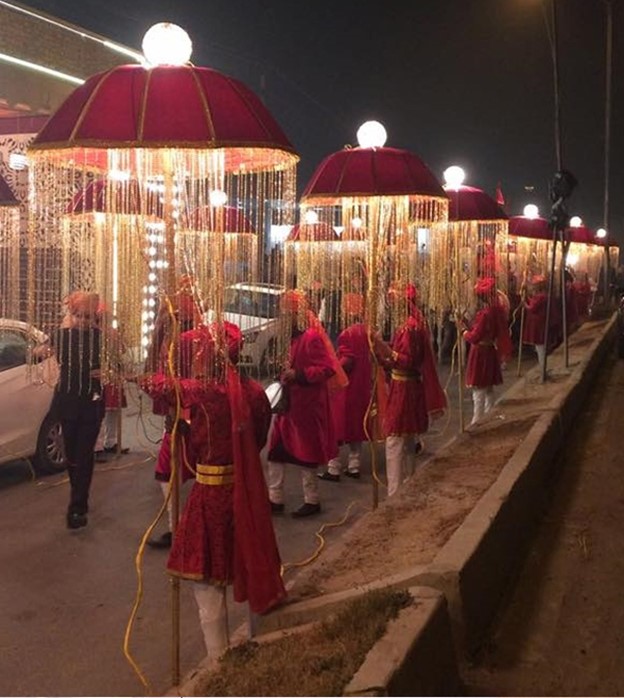
A baraat is not complete without rhythm, movement, and momentum. Dhol players create that momentum. Their tunes lead the way of the groom, the tempo of the procession, and the direction of the party all the way to the end. In the case of Indian weddings, it is not the dancing, but the music running in the background. That is why families who want a strong first impression often choose the best wedding band in India and experienced dhol artists who understand timing, crowd flow, and traditional cues. This blog explains how dhol players elevate a baraat, what makes a professional setup, and how to plan it right.
The Role of Dhol in a Baraat
Dhol is not just sound; it is structure. Every phase of the baraat follows the beat.
- Arrival at the venue
- Groom’s entry
- Guest dance moments
- Transition to the mandap
A trained dhol player knows when to build energy and when to slow it down. This control keeps the procession organized while still feeling free and festive. Without dhol, the baraat often feels scattered, with guests unsure when to dance or move.
Cultural Accuracy Matters
Professional dhol players are aware of regional dhol, Punjabi, Rajasthani, Gujarati and fusion. This helps the baraat to stick to the family ways and not have incongruent music to disrupt the flow.
What Makes a Professional Dhol Setup
Not all dhol services deliver the same impact. High-quality baraat teams focus on:
- Uniformed performers
- Coordinated beat patterns
- Wireless or amplified dhol for large venues
- Synchronization with the band and the DJ
These elements ensure the music carries across wide roads, resorts, and destination venues. This is why planners pair dhol players with full-band setups rather than booking them in isolation.
Many families look for integrated packages under luxury baraat services in India because they include:
- Wedding band
- Dhol players
- Procession lighting
- Entry choreography support
This creates a single, seamless experience.
How Dhol Players Improve Guest Engagement
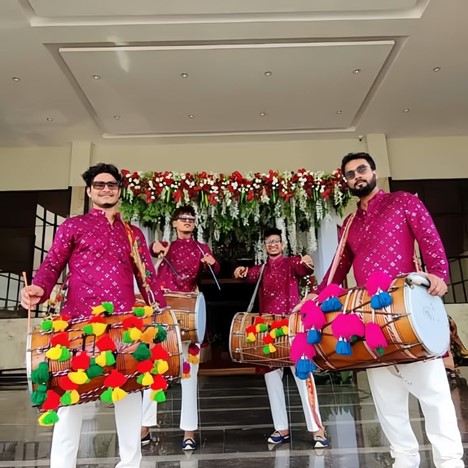
Dhol beats are easy to follow. Even guests who do not dance often feel comfortable stepping in. This increases:
- Participation across age groups
- Energy consistency throughout the route
- Visual appeal for photography and video
From a planning view, dhol players act as anchors. They guide the crowd, reduce gaps, and prevent the baraat from stretching too thin on long routes.
Practical Planning Tips
When booking dhol players, confirm:
- Number of performers (2–6 works for most baraats)
- Route length and venue size
- Coordination with the band and the DJ
- Dress code matching the wedding theme
- These details prevent delays on the wedding day.
Dhol vs. DJ-Only Baraat
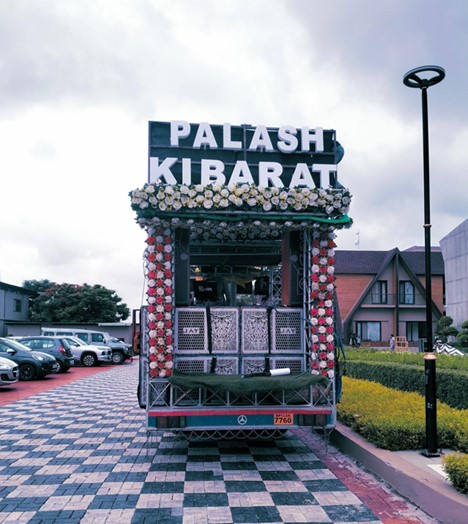
Some families consider skipping live performers and using only a DJ. While DJs offer song variety, they lack movement and visual energy. Dhol players:
- Move with the groom
- Create live call-and-response moments.
- Adapt tempo in real time.
- Become part of the procession.
This physical presence is what turns a walk into a celebration.
For large weddings, the best results come from a mix: dhol for movement and band/DJ for melody. This combination is common with the best wedding band in India, where teams are trained to work together.
Choosing the Right Service Provider
A reliable provider should offer:
- Experienced, uniformed artists
- Clear routing and timing plans
- Backup equipment
- On-site coordination
Avoid booking freelancers without rehearsal or route planning. A baraat has fixed windows. Delays affect rituals and venue schedules.
Premium planners offering luxury baraat services in India manage these logistics in advance, ensuring smooth transitions and zero confusion on the day.
Conclusion
Dhol players are not an add-on. They are the heartbeat of a baraat. They set the pace, unify guests, and transform a simple entry into a structured celebration. With the right team, your baraat becomes organized, energetic, and visually powerful.
For professionally managed baraat experiences with trained performers and full coordination, choose Baraat Waale.
FAQs
Q1. How many dhol players are ideal for a baraat?
Most baraats work well with 2–4 players. Large venues or destination routes may need 6 for sound coverage.
Q2. Can dhol players perform with a DJ or wedding band?
Yes. Professional teams sync dhol beats with band and DJ tracks for a layered sound.
Q3. Are dhol players suitable for destination weddings?
Yes. Many teams travel and adapt to resort routes, beaches, and heritage venues.
Q4. What should I check before booking dhol services?
Confirm experience, uniforms, route planning, coordination with other music teams, and backup support.
You Might Also Like


